Vegetable-First Dinners, Hong Kong Style: Why Making Produce the Star Actually Works
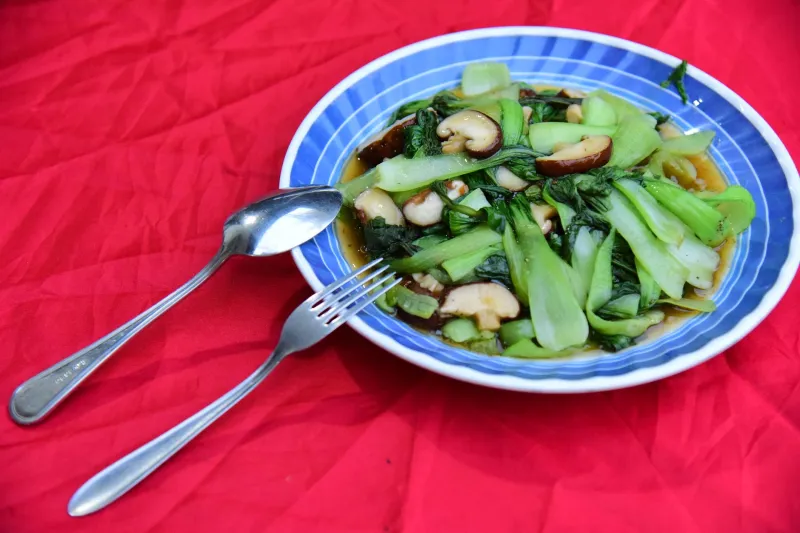
There's a particular kind of disappointment that comes with a dinner plate where the vegetables are clearly an obligation. Steamed broccoli with nothing on it. A side salad that nobody wanted. Roasted carrots that are technically fine but not why anyone showed up to the table.
Americans are increasingly trying to eat more plants — for health, for the environment, for the grocery bill. But the execution keeps falling flat because most Western cooking treats vegetables as a supporting cast, not the lead. The flavor development, the technique, the seasoning — it all goes to the protein.
Hong Kong cooking flips that assumption. Not because it's vegetarian — it's largely not — but because Cantonese culinary tradition genuinely respects vegetables as worthy of real technique and real flavor development. The result is dishes where the vegetables are the thing you remember, the thing you want more of, the thing your guests ask about.
Here's how to bring that approach to your dinner table.
The Mindset Shift: Vegetables Deserve Heat and Attention
The biggest technical difference between how Hong Kong cooking handles vegetables and how most American home cooking handles them is heat and timing.
In a wok over high flame, vegetables hit a surface hot enough to char their edges, caramelize their natural sugars, and develop a slight smokiness — all in under three minutes. That's the wok hei effect, and it transforms vegetables from neutral to craveable without adding much beyond oil, garlic, and seasoning.
You don't need a professional wok burner to approximate this at home. The key is:
- Get your pan as hot as possible before adding anything
- Don't crowd the pan — cook in batches if needed so vegetables sear rather than steam
- Move quickly — high-heat vegetable cooking is a two-to-three minute process, not a slow roast
This single shift in technique changes the flavor profile of almost any vegetable dramatically.
Build the Flavor Platform Before the Vegetables Go In
One of the most consistent patterns in Hong Kong vegetable cooking is that the flavor platform goes in first. Before the vegetables, you bloom aromatics in hot oil — typically garlic, sometimes ginger, sometimes a dried chili or two — for about 30 seconds until fragrant.
This step is brief but essential. Those aromatics infuse the oil, and when the vegetables hit the pan, they're immediately cooking in something that already tastes like something. Compare that to adding garlic after the vegetables are already in the pan — you lose that foundational flavor layer.
For American dinners, this means treating your vegetable dishes with the same setup attention you'd give a protein dish. The aromatics are the first move, not an afterthought.
The Vegetables That Shine With This Approach
Not every vegetable is created equal for high-heat wok-style cooking. Here are the ones that genuinely thrive:
Bok choy and baby bok choy — halved and cooked cut-side down first, they develop a charred, slightly sweet edge that's completely different from steamed bok choy. Available at most Asian grocery stores and increasingly at Whole Foods and mainstream supermarkets.
Chinese broccoli (gai lan) — slightly bitter, with thick stems that hold up to heat and leaves that crisp at the edges. Blanch briefly, then finish in a hot wok with garlic and oyster sauce.
Snow peas and snap peas — 90 seconds in a screaming-hot pan with a little sesame oil and white pepper. That's the whole recipe.
Eggplant — cut into chunks, cooked in oil until golden and soft, then hit with a black bean or garlic sauce. One of the most satisfying vegetable-first meals you can make.
Mushrooms — shiitakes, oyster mushrooms, or king trumpet mushrooms cooked over high heat develop a meaty, deeply savory quality that makes them genuinely filling as a meal centerpiece.
Napa cabbage — underrated in American kitchens, it cooks down beautifully and absorbs whatever sauce you're building around it.
Sauce as the Bridge Between Vegetables and Satisfaction
One reason vegetable-first meals sometimes leave American diners feeling unfulfilled is that the sauce game isn't there. A protein can carry a meal on its own flavor. A vegetable, especially a mild one, needs a sauce that completes it.
Hong Kong cooking solves this with sauces built from fermented and concentrated ingredients — oyster sauce, fermented black beans, light soy — that add umami depth without overwhelming the vegetable's own character. A simple oyster sauce and garlic finish on gai lan is one of the most satisfying things you can eat, and it takes two minutes.
For American kitchens, the rule is: your vegetable-first meal needs a sauce with real umami behind it. Not just salt, not just olive oil. Something fermented, something concentrated, something that makes the vegetables taste like they were supposed to be the star.
Building a Vegetable-First Dinner That Actually Satisfies
A complete vegetable-first dinner in the Hong Kong style isn't just one vegetable dish — it's a combination of textures and flavors that together feel like a full meal:
- A leafy green cooked fast over high heat with garlic (bok choy, gai lan, water spinach)
- A heartier vegetable with a sauce (eggplant with black bean, mushrooms with oyster sauce)
- A starch — rice, noodles, or congee — that ties everything together
With these three components, you don't miss the protein. The meal has enough texture contrast, enough umami, and enough volume to feel genuinely satisfying.
This Isn't About Eating Less — It's About Eating Better
The Hong Kong approach to vegetable-first cooking isn't about restriction or substitution. It's not "meat-free Monday" as a compromise. It's a completely valid way to build a dinner that happens to center produce — and that tastes better for it.
When vegetables get real technique, real heat, and real flavor development, they stop being the thing you eat because you're supposed to and start being the thing you actually want. That's the shift. And once you make it, there's no going back to steamed broccoli with nothing on it.