The Hong Kong Sauce Formula That Builds Umami in Layers — No Cream, No Butter Required
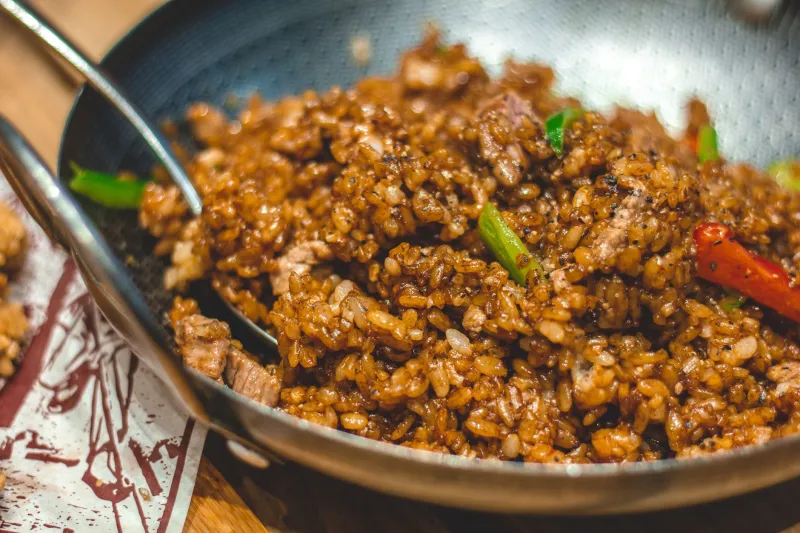
Ask most American home cooks how to make a sauce taste rich and complex, and you'll hear the same answers: butter, heavy cream, a splash of wine. And sure, those things work. But they're also calorie-dense, dairy-dependent, and kind of a one-note solution to what is actually a multi-dimensional flavor problem.
Hong Kong kitchens have been solving that problem for generations — with zero butter and zero cream. The result? Sauces that are just as bold, just as layered, and honestly a lot more interesting. Once you understand the formula, you'll start seeing it everywhere.
Why Umami Is the Real Goal (Not Just Saltiness)
Before we get into the actual formula, it helps to understand what you're chasing. Umami — that savory, mouth-coating depth that makes you want another bite — isn't just about salt. It's about glutamates and nucleotides reacting together to create a sensation that's richer than the sum of its parts.
Western cooking often achieves umami through Parmesan, anchovies, or reduced meat stocks. Hong Kong cooking gets there through a completely different ingredient set: fermented soybean products, dried seafood, aged condiments, and aromatics that are cooked at high heat to develop complexity fast.
The key difference? Hong Kong sauces build umami in layers, each ingredient contributing a slightly different type of savory depth that stacks rather than repeats.
The Formula: Three Layers, One Sauce
Here's how Hong Kong-style sauce-building typically works. Think of it as three distinct layers added at different points in cooking.
Layer One: The Fermented Base
This is your foundation. In Hong Kong cooking, this usually means one or more of the following:
- Oyster sauce — thick, slightly sweet, deeply savory
- Dark soy sauce — adds color and a molasses-like depth that regular soy can't match
- Fermented black bean paste — punchy, earthy, and intensely umami
- Doubanjiang (chili bean paste) — adds heat alongside fermented depth
You typically don't use all of these at once. Pick one or two that complement your protein or vegetable. This layer does the heavy lifting.
Layer Two: The Aromatic Bridge
This is where a lot of American cooks skip a step. Before you add any liquid, you want to bloom your aromatics in a hot wok or pan. Garlic, ginger, scallions, and sometimes dried chilies — cooked in a small amount of neutral oil over high heat for 30 to 60 seconds.
This step is non-negotiable. Those aromatics transform when they hit a hot surface, developing compounds that bond with the fermented base and create a bridge between your first and final layers. It's also what gives Hong Kong sauces that recognizable toasty, slightly smoky undertone — even when you're cooking on a regular home stove.
Layer Three: The Liquid Lift
Now you add liquid — and this is where Hong Kong cooking diverges most sharply from Western technique. Instead of cream or butter, the liquid is usually:
- Chicken or pork broth (or a quick seafood broth for fish dishes)
- Shaoxing wine — a Chinese rice wine that adds a dry, nutty complexity
- A small amount of water to control consistency
- Sometimes a tiny splash of rice vinegar to balance sweetness from oyster sauce
This liquid gets reduced quickly over high heat, concentrating the flavors and creating a glossy, clingy sauce that coats whatever you're cooking without needing a roux or cornstarch — though a light slurry is sometimes used at the very end for texture.
The Finishing Touches That Actually Matter
A few small additions right before serving make a noticeable difference:
Sesame oil — never cook with it, always finish with it. A few drops at the end add a toasty, nutty note that ties the whole sauce together.
White pepper — more floral and sharp than black pepper, it's the standard in Hong Kong kitchens and adds a subtle heat that doesn't announce itself.
A pinch of sugar — not to make the sauce sweet, but to round out the edges of soy and fermented ingredients. This is a classic balance move in Cantonese cooking.
A Simple Example: Classic Stir-Fry Sauce
To put this all together, here's a basic formula you can scale and adapt:
- 2 tbsp oyster sauce
- 1 tbsp dark soy sauce
- 1 tsp Shaoxing wine
- ½ tsp sugar
- ¼ cup chicken broth
- ½ tsp sesame oil (added at the end)
- White pepper to taste
Bloom your garlic and ginger first, add your protein or vegetables, pour in the sauce mixture, toss over high heat until everything is coated and the liquid reduces slightly. Finish with sesame oil. That's it.
No cream. No butter. No thickener unless you want it.
Why This Approach Works for American Kitchens
Beyond flavor, there are practical reasons to love this formula. These pantry ingredients last for months in the fridge. They're available at most Asian grocery stores — and increasingly at mainstream supermarkets. And because the umami is coming from fermented and concentrated sources rather than dairy fat, the calorie load is significantly lower without sacrificing satisfaction.
For health-conscious cooks who don't want to give up bold, restaurant-quality flavor, this is the system. It's not a compromise. It's genuinely a better way to build a sauce — and Hong Kong home cooks have known that for a very long time.