Small Moves, Big Flavor: The Hong Kong Home Cook's Playbook for Instant Depth
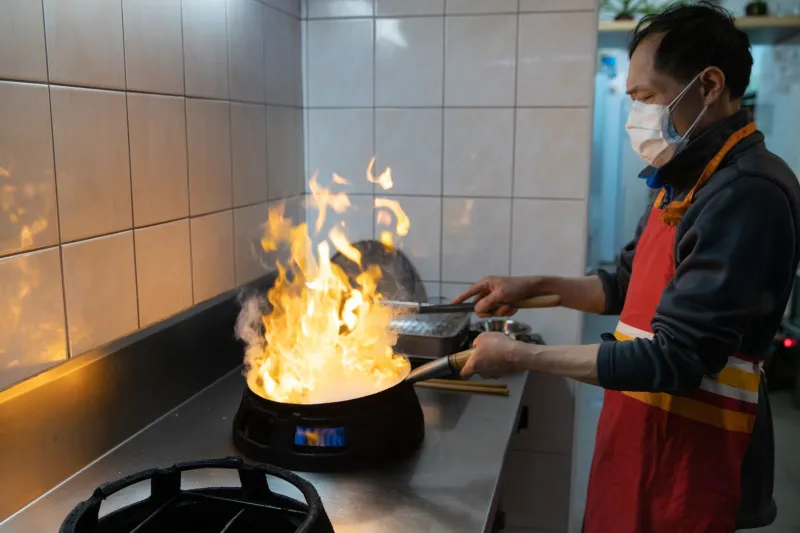
There's a persistent myth in American cooking culture that deep, complex flavor requires deep, complex effort. Long braises. Multi-step sauces. Stocks simmering for six hours. And while none of that is wrong, exactly, it does leave a lot of home cooks feeling like real flavor is locked behind a velvet rope they don't have time to cross on a Tuesday night.
Hong Kong home kitchens tell a different story.
In a city where apartment kitchens are famously compact, schedules are relentlessly packed, and the standard for what food should taste like is genuinely high, home cooks have developed a repertoire of fast, intuitive techniques that punch way above their weight. These aren't shortcuts in the lazy sense—they're precision moves, each one targeting a specific lever in how flavor is built and perceived. Once you understand why they work, you'll reach for them automatically.
Let's break them down.
1. Bloom Your Aromatics First—Every Single Time
In Hong Kong kitchens, garlic, ginger, and scallion whites almost never go into a dish cold. They go into hot oil first, for about thirty to sixty seconds, before anything else touches the pan. This is called blooming, and the chemistry behind it is straightforward: the fat-soluble flavor compounds in aromatics—particularly allicin in garlic and gingerol in ginger—release more completely and more evenly when they hit hot oil rather than water-based liquid.
When you add aromatics directly to a braise or a soup without this step, you get their flavor, sure. But you get a muted, one-dimensional version of it. Blooming in oil first extracts and distributes those compounds throughout the fat, which then carries them into every bite of whatever you're cooking.
The practical upside: this takes under a minute and costs you nothing extra. The flavor upside: it's the single fastest way to make a dish taste like it came from somewhere that actually knows what it's doing.
2. Build Umami in Layers, Not All at Once
Umami—the savory, mouthcoating quality that makes food feel satisfying rather than just tasty—is amplified when multiple umami sources interact. This is because of a phenomenon called umami synergy: glutamates (found in soy sauce, tomatoes, and aged cheeses) and nucleotides (found in dried mushrooms, anchovies, and dried shrimp) combine to produce a perceived umami intensity that's significantly greater than either source alone.
Hong Kong cooks instinctively layer these sources. A splash of soy sauce plus a few pieces of dried shiitake rehydrated in the cooking liquid. A teaspoon of oyster sauce added near the end of a stir-fry. A small piece of dried tangerine peel dropped into a braise. None of these additions are dramatic on their own—but together, they create a depth that reads as "this person really knows how to cook" rather than "this person just added soy sauce."
For American home cooks, the easiest entry point is keeping two or three umami-rich pantry items on hand and getting comfortable combining them in small amounts. Soy sauce plus a little miso. A splash of fish sauce added to a tomato-based sauce. Dried mushroom soaking liquid used instead of plain water. These combinations do the heavy lifting without requiring any additional technique.
3. Use Acid at the End, Not the Beginning
Acid—from rice vinegar, lime juice, or even a squeeze of lemon—is one of the most underused flavor tools in the average American kitchen. When it is used, it often goes in early, where heat cooks off the brightness and leaves behind only a vague tartness.
Hong Kong cooks tend to add acid right at the finish line, just before serving. A few drops of rice vinegar into a stir-fry. A squeeze of citrus over a bowl of congee. This timing matters because fresh acid doesn't just add sourness—it acts as a flavor amplifier, making everything else in the dish taste more vivid and distinct. It also creates contrast, which is what separates food that tastes good from food that tastes alive.
Scientifically, this works because acids interact with your taste receptors in a way that enhances sensitivity to other flavor compounds. A dish that tastes flat or one-note often just needs a small, well-timed hit of acid to snap everything into focus.
Start with rice vinegar if you're not already using it. It's milder and less assertive than white or apple cider vinegar, which makes it easier to calibrate. A half-teaspoon at the end of cooking a vegetable dish can completely transform the result.
4. Rest Your Protein Before It Hits the Heat
This one surprises people because it sounds like a fine-dining rule, but it's deeply embedded in everyday Hong Kong home cooking. Before meat or tofu goes into a hot pan or wok, it's almost always marinated—even briefly—with a small amount of soy sauce, a neutral oil, and sometimes a touch of cornstarch.
The oil in the marinade creates a barrier that helps the protein cook more evenly and retain moisture. The soy sauce begins the seasoning process from the inside out, so the flavor isn't just sitting on the surface. And the cornstarch, when present, creates a light coating that helps the exterior develop color and texture without drying out.
Even five minutes of marinating makes a measurable difference. You're not looking for an overnight transformation—you're just giving the surface of the protein time to absorb and react before heat locks everything in place.
5. Finish with Sesame Oil—But Only at the Very End
Toasted sesame oil is one of the most aromatic ingredients in the Hong Kong pantry, and it's treated accordingly: as a finishing oil, not a cooking oil. If you heat sesame oil at high temperatures, the volatile aromatic compounds that give it that distinctive nutty, almost smoky character simply evaporate. You're left with a greasy, slightly bitter residue and none of the fragrance.
A few drops drizzled over a finished dish, stirred into a dipping sauce, or added to a bowl of noodles just before eating—that's where sesame oil earns its keep. It's an aromatic signal more than a fat, and like all aromatic signals, it works best when it hasn't been cooked into submission.
This is the kind of technique that sounds almost too simple to matter until you try it. The difference between sesame oil added at the start versus the finish is not subtle.
The Bigger Picture
What ties all of these techniques together isn't complexity—it's intentionality. Hong Kong home cooks aren't working harder than the average American home cook. They're working with a clearer mental model of how flavor is built: aromatics first, umami layered, acid timed, protein prepped, finish protected.
None of these moves require special equipment or hard-to-find ingredients. Most of them take under two minutes. But they reflect a way of thinking about cooking that treats every step as a deliberate choice rather than a default.
That shift in mindset—more than any single technique—is what makes the difference between food that's fine and food that makes people ask what you did differently.
Start with one. Bloom your aromatics in oil before anything else hits the pan tonight. See what happens. Chances are, you'll already know the answer before you take your first bite.