One Pantry Staple, Infinite Payoff: The Hong Kong Secret to Making Vegetables Actually Craveable
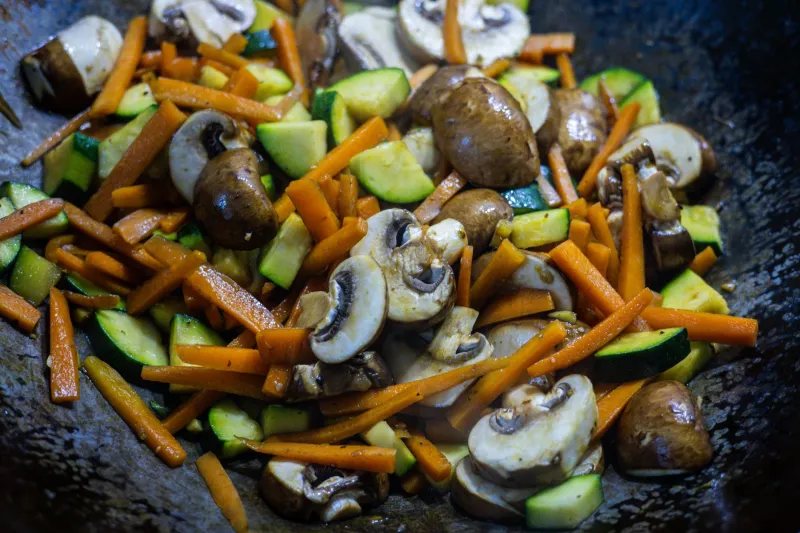
The Vegetable Problem Nobody Talks About
Let's be honest. Most of us are cooking vegetables wrong—not technically wrong, but flavorfully wrong. We roast them, steam them, maybe toss them in olive oil and call it done. And they're fine. Totally edible. But fine isn't the same as craveable, and craveable is what gets people actually excited to eat their greens.
Hong Kong home cooks figured this out a long time ago. The city's culinary tradition is built around making the most of every ingredient, and vegetables are no exception. Walk into a Hong Kong kitchen and you'll find a small collection of fermented, dried, or preserved pantry staples that do the heavy lifting—ingredients that add layers of savory depth without overwhelming a dish or piling on sodium. The result? Vegetables that taste like they belong on a restaurant menu, not a sad side plate.
The secret isn't a complicated technique. It's knowing which single ingredient to reach for.
What We Mean by Umami—And Why It Matters for Vegetables
Umami is that savory, mouth-coating richness that makes you want to keep eating. It's the reason a bowl of ramen feels more satisfying than a bowl of plain noodles, and why a wedge of aged parmesan makes a salad feel complete. Scientifically, it comes from glutamates and nucleotides—compounds that occur naturally in fermented, aged, and dried foods.
Vegetables on their own often lack this quality. They can be sweet, bitter, earthy, or grassy, but rarely do they hit that deeply savory note without some help. That's where Hong Kong pantry staples come in. Rather than masking vegetables with heavy sauces, these ingredients amplify what's already there and fill in the umami gap naturally.
The Big Three: Hong Kong's Umami Pantry Lineup
Fermented Black Beans (Douchi)
If you've ever had classic Chinese stir-fried dishes and wondered why they taste so much more complex than they look, fermented black beans are probably part of the answer. These small, soft, intensely savory beans are made from soybeans that have been salted and fermented until they develop a deep, almost funky richness.
A tablespoon—sometimes even less—added to a hot wok with garlic and a little oil creates an aromatic base that transforms bitter melon, green beans, or leafy greens into something bold and satisfying. They're not subtle, but they're not overpowering either. Think of them as a volume knob for savory flavor. You can find them at most Asian grocery stores, often sold loose or in small jars. Rinse them lightly before using if you want to dial back the saltiness.
Dried Scallops (Conpoy)
Dried scallops are the more elegant option—and one of the most prized ingredients in Hong Kong cooking. They're expensive, yes, but a little goes an incredibly long way. Even a single dried scallop, rehydrated and shredded into a dish, adds a sweet, briny, oceanic depth that you simply can't replicate with anything else.
For vegetables, try adding a small amount of shredded dried scallop to a simple sauté of napa cabbage or bok choy. The natural sweetness of the scallop plays beautifully against the mild bitterness of the greens, and the liquid used to soak the scallop becomes a flavor-packed cooking liquid you'll want to pour right into the pan. It's the kind of ingredient that makes people ask, "What did you put in this?"
Dried Shrimp (Har Mai)
Smaller in price and bigger in punch than dried scallops, dried shrimp are the everyday workhorse of this pantry lineup. They're tiny, intensely flavored, and wildly versatile. Soak them briefly in warm water, then chop or leave whole before adding to stir-fries, vegetable braises, or even simple egg dishes.
Dried shrimp are particularly good with vegetables that have a neutral or slightly sweet profile—think chayote, zucchini, or winter melon. The shrimp bring a salty, almost smoky seafood note that gives those mild vegetables a reason to exist on the plate. Pro tip: don't throw out the soaking water. It's essentially a light seafood stock.
How to Actually Use These Ingredients
The technique is simpler than you might think, and it works across almost any vegetable you have sitting in your fridge.
Start with aromatics. Heat a neutral oil in a wok or wide skillet over medium-high heat. Add minced garlic, and if you're using fermented black beans or dried shrimp, add them here too. Let everything sizzle for 30 to 60 seconds until fragrant.
Add your vegetables. Cut them into consistent pieces so they cook evenly. Don't crowd the pan—you want contact with the heat, not steaming.
Deglaze with soaking liquid or a splash of Shaoxing wine. This is where the magic happens. That scallop or shrimp soaking water picks up all the caramelized bits from the pan and coats the vegetables in a light, savory glaze. A small splash of Shaoxing cooking wine adds another layer without being boozy.
Finish simply. A tiny drizzle of sesame oil and maybe a pinch of white pepper. That's it. No heavy oyster sauce blanket, no cornstarch slurry thickening things up unnecessarily.
Which Vegetables Work Best
Honestly, most vegetables respond well to this approach, but a few are particularly good candidates:
- Bitter melon with fermented black beans is a Hong Kong classic for a reason. The bitterness and the funky depth of the beans are genuinely made for each other.
- Bok choy and baby cabbage pair beautifully with dried scallop, which brings out their natural sweetness.
- Green beans and long beans hold up to the bold flavor of fermented black beans without getting lost.
- Zucchini and chayote are mild enough to let dried shrimp shine without competition.
- Spinach and water spinach (morning glory) cook down quickly and absorb flavor fast—dried shrimp works especially well here.
A New Way to Think About Your Produce
The real shift here is mental. Once you start thinking of these pantry staples as flavor tools rather than specialty ingredients, you'll find yourself reaching for them constantly. Got a bunch of broccoli that needs to be used up? Fermented black beans. Leftover cabbage from taco night? A couple of dried shrimp. That sad bag of green beans you keep pushing to the back of the fridge? Dried scallop soaking liquid and ten minutes in a hot pan.
This is exactly what Hong Kong cooking does so well—it refuses to let good produce be boring. And with a small investment in a few pantry staples, you can bring that same philosophy to your American kitchen, no restaurant reservation required.