One Bottle, Infinite Depth: How Fish Sauce Became the Pantry MVP American Cooks Didn't Know They Needed
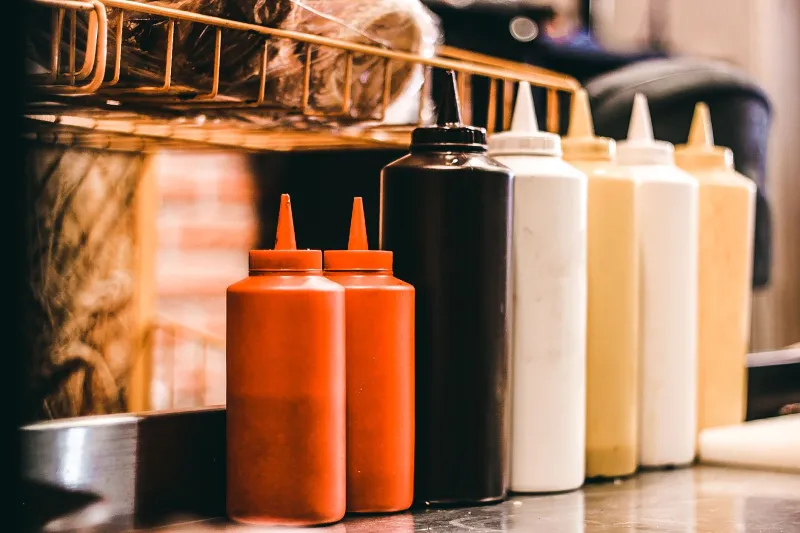
Let's be honest. The first time most Americans encounter fish sauce, it's not a love story. You crack open the bottle, get hit with something that smells aggressively oceanic, and quietly wonder if you bought the wrong thing. You add a cautious half-teaspoon to whatever you're making, taste it, and—wait. That's actually really good. Where did all that flavor come from?
Welcome to the fish sauce moment. It happens to almost everyone eventually.
For home cooks across the US, this funky, amber-colored condiment is having a genuine cultural comeback—not just in Thai or Vietnamese cooking circles, but in everyday kitchens where people are hunting for that elusive quality that makes food taste complete. And while Southeast Asian cuisines often get the credit for introducing fish sauce to Western palates, Hong Kong's culinary tradition has been quietly working with it for generations in ways that feel surprisingly relevant to how Americans actually cook.
What Fish Sauce Actually Is (And Why It Smells Like That)
At its core, fish sauce is fermented fish—usually anchovies—packed with salt and left to break down over months, sometimes years. The result is a liquid that's intensely savory, deeply salty, and loaded with naturally occurring glutamates. Those glutamates are what trigger your brain's umami receptors, the same ones that fire when you eat a good Parmesan or a slow-braised short rib.
The smell straight from the bottle is strong, no question. But here's the thing: that aroma mellows dramatically once heat hits it or it gets diluted into a dish. What you're left with is pure savoriness—a background richness that's almost impossible to achieve any other way. It doesn't make your food taste fishy. It makes your food taste more like itself.
That's the magic, and it's why chefs from New York to Los Angeles have been sneaking it into everything from Caesar dressing to roasted chicken for years.
Hong Kong's Relationship With Fish Sauce Is Different Than You Think
When people in the US think fish sauce, they usually think Thailand or Vietnam. And those traditions are incredible. But Hong Kong cooks have their own long history with fermented fish products that's worth understanding separately.
In Cantonese cooking—the dominant culinary style of Hong Kong—fish sauce (魚露, yú lù) shows up not as a starring ingredient but as a foundational seasoning. It's used to season stir-fries, braise meats, and add complexity to soups in a way that's quieter and more integrated than, say, a Vietnamese dipping sauce where fish sauce is front and center.
Hong Kong-style fish sauce also tends to appear alongside other fermented ingredients—oyster sauce, fermented tofu, shrimp paste—as part of a layered approach to building flavor. No single ingredient dominates. Everything works together to create depth that you notice but can't quite identify. That philosophy—subtle complexity over loud seasoning—is exactly what American home cooks are chasing when they're tired of food that tastes flat despite all the salt they've added.
How to Actually Pick a Good Bottle
Not all fish sauce is created equal, and the difference between a mediocre bottle and a great one is significant. Here's what to look for:
Check the ingredients list first. A quality fish sauce should contain fish (usually anchovies), salt, and ideally nothing else—or very little else. If you see a long list of additives, preservatives, or sugar listed early, put it back.
Look at the color. Good fish sauce is a clear, reddish-amber color when you hold it up to light. Murky or very dark brown sauce can indicate lower quality or over-processing.
Consider the protein content. Some premium bottles list nitrogen or protein content on the label. Higher numbers (around 40°N or above for Vietnamese-style, for example) generally signal a more concentrated, complex product.
Brands worth trying: Tiparos and Megachef are widely available and solid mid-range options. For something more premium, look for Phu Quoc-style Vietnamese fish sauces at Asian grocery stores, or ask at your local Hong Kong or Cantonese restaurant supply shop if you have one nearby. Many Chinatown grocery stores in cities like San Francisco, New York, and LA stock Cantonese-style fish sauces that are harder to find elsewhere.
Getting Started: Three Ways to Use It Without Overthinking It
The biggest barrier to fish sauce adoption isn't flavor—it's confidence. People are scared to use it wrong. The good news: it's pretty forgiving once you understand a few basic applications.
The swap move: Anywhere a recipe calls for a large amount of soy sauce, try replacing about a quarter of it with fish sauce. You'll keep the salt level similar but add a new dimension of savoriness that soy alone can't provide. Works beautifully in marinades, stir-fry sauces, and fried rice.
The finish move: Add a small splash—we're talking half a teaspoon to a teaspoon—to soups, stews, or braises in the last few minutes of cooking. It rounds out the edges of the dish without announcing itself. Try it in your next pot of tomato soup or a simple chicken broth and see what happens.
The dressing move: Fish sauce is incredible in vinaigrettes and dipping sauces. A simple mix of fish sauce, lime juice, a little sugar, and sliced chilies is one of the most versatile condiments you can keep in the fridge. Drizzle it over grilled vegetables, use it as a dipping sauce for steamed dumplings, or toss it with shredded cabbage for a quick slaw that punches way above its weight.
A Simple Hong Kong-Inspired Stir-Fry Sauce to Start With
If you want one recipe to break the fish sauce seal, try this weeknight stir-fry sauce. Mix together: 1 tablespoon oyster sauce, 1 teaspoon fish sauce, 1 teaspoon soy sauce, 1 teaspoon sesame oil, 1 teaspoon cornstarch, and 3 tablespoons water or chicken stock. That's it. Use it with any protein and any vegetables over high heat, and you've got something that tastes like it came from a Cantonese kitchen. The fish sauce is one of four or five players, but pull it out and the whole thing falls a little flat. That's the point.
The Bigger Picture
American cooking culture is in an interesting place right now. People are increasingly skeptical of processed flavor shortcuts—powdered seasoning packets, artificial bouillon, the kind of stuff that delivers salt and not much else. At the same time, they want food that actually tastes good without spending three hours in the kitchen.
Fish sauce fits that moment perfectly. It's a single-ingredient solution to a multi-ingredient problem. It's been around for thousands of years. And it's genuinely affordable—most good bottles run between five and twelve dollars and last a long time.
Hong Kong kitchens figured this out a long time ago. The approach there was never about one flashy ingredient doing all the work—it was about building a pantry of powerful, natural flavor tools and knowing how to layer them. Fish sauce is one of those tools, and it's finally getting its due.
Grab a bottle. Give yourself one week. We'd bet you'll be reaching for it constantly by day four.