Ditch the Salt Shaker: How Hong Kong's Dried Seafood Pantry Builds Deeper Flavor
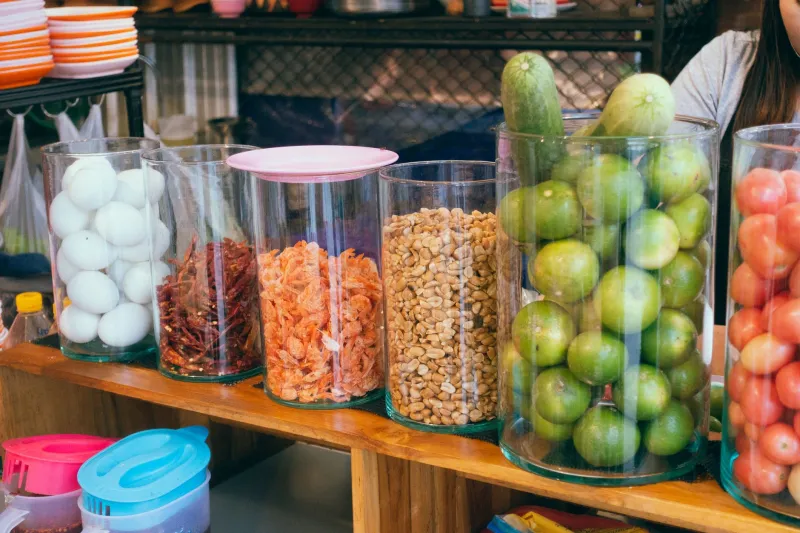
There's a quiet revolution happening in the flavor department, and it doesn't involve a trendy spice blend or a $40 finishing salt. It starts with a small bag of dried scallops, a jar of tiny dried shrimp, and maybe a tin of salt-packed anchovies — ingredients that have been quietly doing the heavy lifting in Hong Kong kitchens for generations.
In Hong Kong, reaching for dried seafood isn't a workaround or a compromise. It's the move. These shelf-stable ingredients are deliberately chosen because they do something fresh seafood and table salt simply can't: they deliver a layered, lingering savoriness that makes food taste more complete, more satisfying, and honestly, more alive. And the best part? You're getting all that payoff with a fraction of the sodium you'd use if you were seasoning the old-fashioned way.
What's Actually Going On Flavor-Wise
Let's talk science for a second, because understanding why this works makes you a smarter cook.
Umami — that fifth taste sensation after sweet, salty, sour, and bitter — is driven largely by glutamates and nucleotides, naturally occurring compounds found in abundance in seafood. When seafood is dried, the moisture evaporates but those compounds concentrate. You're essentially compressing flavor into a smaller, more potent package.
Dried scallops (known as conpoy in Cantonese cooking) are particularly loaded with inosinate and glutamate — two compounds that, when combined, create a synergistic umami effect that's significantly more powerful than either alone. That's why a small handful of rehydrated dried scallops can make a pot of congee or a simple stir-fry broth taste like it's been simmering for hours.
Dried shrimp punch in a different direction — they're earthier, slightly funky in the best possible way, and bring a briny sweetness that builds complexity in any dish they touch. And anchovies, whether you're working with the Asian dried variety or the Italian-style oil-packed tin, melt into cooking fat and essentially become invisible while making everything around them taste more savory and rounded.
None of these ingredients are screaming "fishy" when used correctly. They're whispering "more, please."
The Sodium Math That Might Surprise You
Here's where the nutrition angle gets interesting. A teaspoon of table salt contains roughly 2,300 milligrams of sodium — the entire recommended daily limit for most adults. When you build flavor using dried seafood, you're often using a small amount of the ingredient itself, not adding pure sodium. The umami compounds do the perceptual work, making food taste more seasoned and satisfying even when the actual sodium content is significantly lower.
This is something Hong Kong grandmothers figured out empirically long before anyone was tracking macros. A pot of soup made with dried scallops and a small amount of pork bone doesn't need aggressive salting because the glutamate-rich ingredients signal to your brain that the food is complete. You eat less salt and enjoy the meal more. That's a pretty good trade.
For health-conscious American home cooks watching their sodium intake — whether for cardiovascular reasons, blood pressure management, or just general wellness — this approach offers a genuinely satisfying alternative to the low-sodium products that often taste like they're missing something. Because they are. They're missing umami, not just salt.
Building Your Dried Seafood Pantry
Ready to stock up? Here's what to look for and where to find it.
Dried Scallops (Conpoy) These are the crown jewel. Look for them at Asian grocery stores — H Mart, 99 Ranch Market, and Mitsuwa are reliable chains with good selection across the US. Online, you can find them on Amazon or through specialty retailers like ImportFood or Asian Food Grocer. Quality varies significantly by price, so don't go for the cheapest option if you can help it. Good dried scallops should be a deep amber color, smell intensely oceanic (not off or musty), and feel firm but not rock-hard. Store them in an airtight container in a cool, dry place — they'll keep for months.
To use: soak in warm water for 30 minutes to an hour until softened, then add both the scallops and the soaking liquid (which is now flavor gold) to soups, braises, rice dishes, or congee.
Dried Shrimp Smaller, more affordable, and incredibly versatile. You'll find these at virtually any Asian grocery store, often in the refrigerated section. They come in different sizes — smaller ones are better for stir-fries and fried rice, larger ones work well in braises and soups. Rinse briefly before using. Store in the fridge once opened.
To use: add directly to hot oil at the start of a stir-fry, or toss into a simmering broth. They also work beautifully blended into compound butters or mixed into a vinaigrette for an unexpected savory note.
Anchovies (Dried or Oil-Packed) If you've been sleeping on anchovies, this is your wake-up call. The small dried anchovies used in Korean and Southeast Asian cooking (often labeled myeolchi or ikan bilis) are slightly different from the Italian oil-packed variety, but both have a place in your pantry. Dried anchovies are fantastic for making quick, deeply savory broths — just simmer a handful in water for 15 minutes and you have a stock that rivals anything from a carton. Oil-packed anchovies melt into tomato sauce, salad dressings, and roasted vegetables with zero fishiness and maximum depth.
Putting It to Work on a Weeknight
The biggest hesitation most American home cooks have is the "what do I actually do with this" factor. Fair point. Here are a few easy entry points:
Upgraded fried rice: Sauté a tablespoon of dried shrimp in oil before adding your day-old rice. It builds a savory base that makes the whole dish taste like it came from a restaurant.
Instant umami broth: Simmer a small handful of dried anchovies and a couple of soaked dried scallops in four cups of water for 20 minutes. Strain, season lightly, and use as a base for ramen, noodle soups, or even as a braising liquid for vegetables.
Savory pasta sauce: Add two or three oil-packed anchovy fillets to your olive oil at the start of a garlic pasta. They'll dissolve completely and make the sauce taste richer and more complex — no one will guess the secret ingredient.
Roasted vegetables: Toss cauliflower or broccoli with olive oil and a few minced anchovies before roasting. The umami compounds caramelize in the oven and create a deeply savory crust.
The Longer Game
Once you start cooking with dried seafood, it's hard to go back to seasoning from scratch with salt alone. Not because salt is bad — it still has its place — but because you start to understand that flavor and saltiness aren't the same thing. You can have one without leaning hard on the other.
Hong Kong cooks have understood this balance for centuries, using dried seafood not as an exotic ingredient but as a practical, economical, and genuinely delicious way to make everyday food taste exceptional. That's an approach worth borrowing, wherever your kitchen happens to be.