Broth First, Questions Later: The Hong Kong Trick That Makes Weeknight Dinners Taste Like Restaurant Food
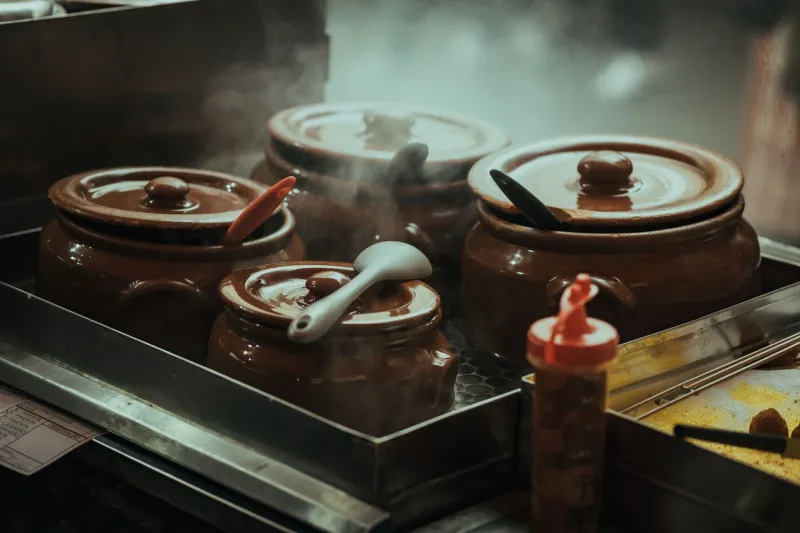
There's a persistent myth in American home cooking that great flavor takes time. Like, all day time. Slow cookers hum away for eight hours, oven braises bubble from noon until dinner, and somewhere in there we've convinced ourselves that patience is the secret ingredient. Hong Kong cooks would respectfully disagree — and their food would back them up.
In a city famous for its relentless pace and impossibly good food, the kitchen philosophy has always been efficiency without compromise. And nowhere is that more obvious than in how Hong Kong cooks approach stock and broth. Not as a weekend project, but as a 30-minute foundation that transforms everything it touches.
Why Stock Is the Real Flavor Engine
Here's the thing about slow cooking: what you're really chasing is depth. You want layered, complex, savory flavor that doesn't taste flat or one-dimensional. The slow cooker gets you there eventually, but it's essentially a workaround — a way to coax flavor out of ingredients that need time to break down.
Hong Kong kitchens take a different approach. Instead of building flavor during the cook, they front-load it into the broth. A well-made Hong Kong-style stock isn't just seasoned water. It's a concentrated flavor base that carries umami, sweetness, and aromatic depth before a single vegetable or protein hits the wok.
That's the shortcut. Not a hack, not a cheat — a fundamentally different philosophy about where flavor lives in a dish.
The Science Behind the Depth
Umami — that savory, mouthwatering quality that makes you want another bite — comes from glutamates and nucleotides. In slow-cooked dishes, those compounds develop gradually as proteins break down. But in dried and concentrated ingredients like chicken bones, dried shiitake mushrooms, and dried shrimp, those compounds are already present in high concentrations.
When you simmer chicken bones for even 20 minutes, you're pulling collagen, gelatin, and glutamates into the liquid fast. Add dried shiitake mushrooms — which are loaded with guanylate, a nucleotide that amplifies the glutamates from the chicken — and you've created what food scientists call a synergistic umami effect. The combination hits harder than either ingredient alone.
This is exactly what Hong Kong home cooks have been doing for generations, often without knowing the chemistry behind it. They just knew it worked.
Building a Quick Hong Kong-Style Broth at Home
You don't need a specialty market or a six-hour window. Here's a streamlined version of the classic Hong Kong quick stock that you can pull off on a Tuesday night.
What you need:
- 1 lb chicken bones or a small carcass (ask your butcher, or save them from a rotisserie chicken)
- 4–5 dried shiitake mushrooms
- 2 slices fresh ginger
- 1 scallion, halved
- 6 cups cold water
- Optional: a small handful of dried shrimp or a strip of kombu for extra depth
How to do it:
Start by blanching your chicken bones in boiling water for two minutes, then drain and rinse them. This step — one that American recipes almost always skip — removes impurities and keeps your broth clean and clear instead of murky. It takes three minutes and makes a noticeable difference.
Add the rinsed bones, dried shiitakes, ginger, and scallion to a pot with cold water. Bring it to a gentle boil, then reduce to a steady simmer. In 25 to 30 minutes, you'll have a broth with real body and complexity. Strain it, taste it, and adjust with a small pinch of salt if needed.
That's it. That's the foundation.
What Makes the Dried Shiitake Non-Negotiable
If you take one thing from this article, make it this: dried shiitake mushrooms are not the same as fresh ones. The drying process concentrates their glutamates and creates guanylate, the nucleotide that makes the umami synergy possible. Fresh shiitakes are delicious — but they don't do the same flavor work in a broth.
You can find dried shiitakes at most Asian grocery stores, and increasingly at mainstream supermarkets in the international aisle. They keep for months in a sealed bag, cost almost nothing, and quietly elevate everything you make with them. Soak a few in your broth as it simmers, then slice them up and toss them into the finished dish. Nothing goes to waste.
How to Use This Broth All Week
Once you've made a batch, the applications are endless — and this is where the efficiency really pays off.
Noodle soups: Pour the hot broth over cooked noodles, a soft-boiled egg, and whatever protein you have on hand. Add a drizzle of sesame oil and you've got a bowl that tastes like you spent the afternoon on it.
Wok sauces: Deglaze your wok with a ladleful of broth after stir-frying. The concentrated flavor lifts all the caramelized bits from the pan and creates an instant sauce with real depth.
Steamed dishes: Use the broth as the steaming liquid for fish or tofu. It infuses the protein with flavor from the outside in while it cooks.
Rice: Cook your rice in the broth instead of water. This is one of those small swaps that sounds too simple to matter until you try it once and can never go back.
The Bigger Lesson for American Home Cooks
The slow cooker isn't the enemy. But the idea that great flavor requires all-day cooking is worth questioning. Hong Kong kitchens have spent decades proving that technique and ingredient quality can outperform time — and that a smart broth is worth more than eight hours of passive heat.
For busy households in the US, where weeknight cooking often means racing the clock between work and bedtime, this framework is genuinely useful. Spend 30 minutes on a broth Sunday or Monday evening. Refrigerate it. Use it across three or four meals during the week. The depth follows you from dish to dish without any additional effort.
That's not a shortcut. That's just cooking smarter — Hong Kong style.