Your Stovetop Already Knows How to Steam — Hong Kong Just Reminded Everyone
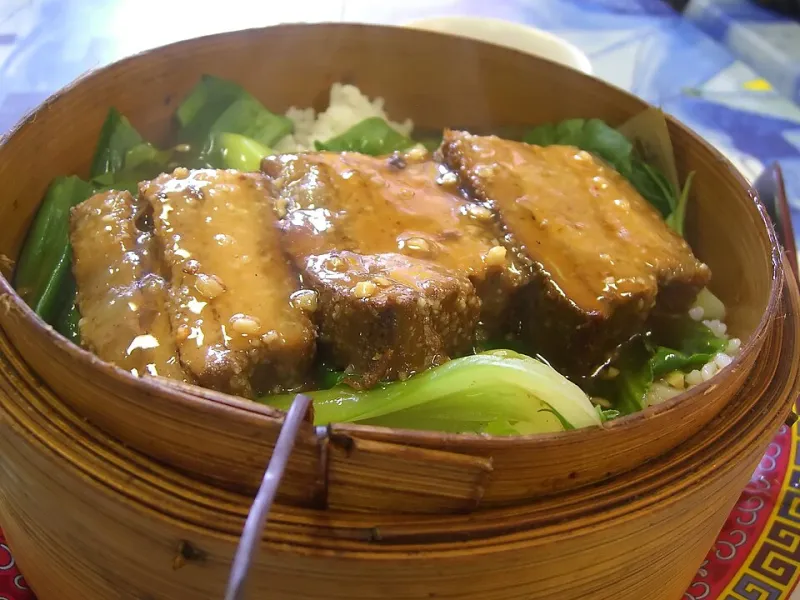
Photo: Alpha aka avlxyz on Flickr, CC BY-SA 2.0, via Wikimedia Commons
If your cooking repertoire is built on sautéing, roasting, and the occasional air fryer session, steaming probably sounds like punishment food. Bland. Diet-adjacent. Something involving sad broccoli from a 1990s fat-free cookbook.
Hong Kong home cooks would like a word.
In Cantonese kitchens, steaming isn't a restriction—it's a celebration. It's how you cook a whole fish so it stays silk-tender. It's how dumplings get their delicate skins. It's how greens stay electric green and eggs turn into custard. Done right, steamed food isn't missing flavor. It tastes more like itself.
Why Steam Deserves a Comeback
Start with the practical case. Steaming requires no oil, which means cleaner eating without trying. It's fast—most fish fillets steam through in eight to ten minutes. And because food never touches direct dry heat, it doesn't dry out. Moisture stays where you want it: in the food.
Nutritionally, it holds up too. Water-soluble vitamins like vitamin C and several B vitamins leach into boiling water when you boil vegetables. Steaming keeps food out of the water, so more of those nutrients end up on your plate instead of down the drain.
But the real argument is texture. Steamed food has a quality dry heat can't replicate: a succulence, a springiness. A steamed fish fillet and a baked one are barely the same ingredient.
The Equipment You Already Own
Here's the good news: you don't need a bamboo steamer to start (though they're cheap and lovely). Any of these setups works tonight:
The plate-and-pot method. Pour an inch or two of water into a wide pot, set a heatproof plate or a small rack (even three balls of foil works) in the bottom, bring to a simmer, add food, cover. Congratulations—you're steaming.
The collapsible steamer basket. That stainless steel flower-shaped basket rattling around in your drawer? It's genuinely great. Pop it into any pot with an inch of water underneath.
The sheet-pan-foil trick. Crumple three fist-sized foil balls, set them in a deep baking dish, pour in hot water, rest a plate on the balls, and cover tightly with foil. Instant steamer for larger batches.
If you do want to go traditional, a two-tier bamboo steamer sits over any pot of simmering water and lets you cook dumplings on one level and greens on another.
Your First Three Steams
Ginger-scallion fish. Place a fillet (cod, branzino, or tilapia all work) on a heatproof plate, top with julienned ginger and scallion, a splash of soy sauce and Shaoxing wine, and steam over simmering water for 8–10 minutes until it flakes. Finish with a drizzle of hot oil and a little more soy. Restaurant-quality, ten minutes, one plate to wash.
Steamed egg custard. Whisk three eggs with an equal volume of warm water and a pinch of salt, strain into a shallow dish, cover, and steam gently for about 12 minutes. The result is silken, savory custard—comfort food with a capital C.
Blitzed greens. Broccoli, bok choy, green beans—steam for 3–5 minutes until vivid, then toss with garlic oil, oyster sauce, or a hit of chili crisp. Steaming gets them cooked; the finish gets them exciting.
The Mindset Shift
Steaming isn't the absence of flavor—it's a blank canvas that hands the final say to your sauces, aromatics, and finishing oils. Hong Kong cooks understand this: the steam does the gentle work, and the condiments do the loud work. Once you internalize that division of labor, your stovetop will never feel incomplete again.