Stop Prepping Containers, Start Prepping Bases: The Rice-Pot Meal System That Actually Lasts a Week
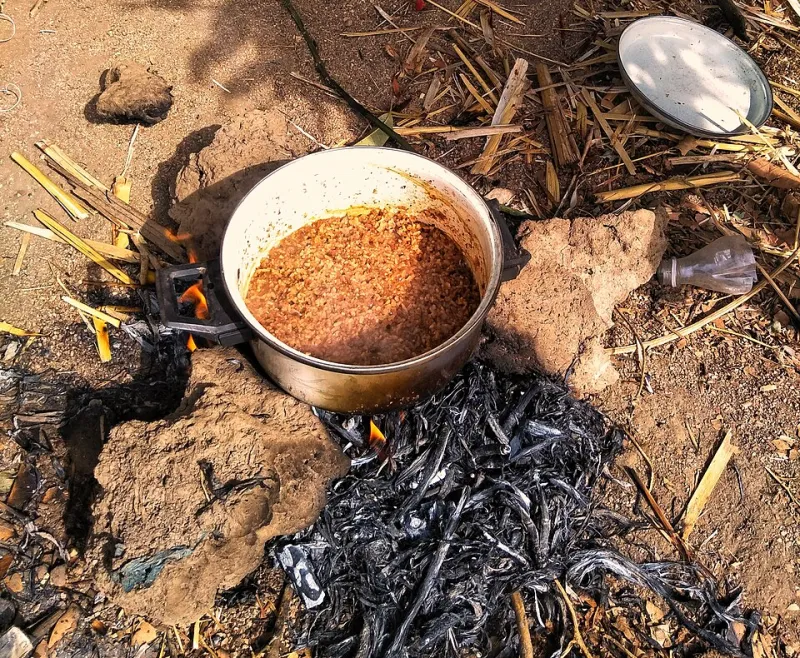
Photo: Yahuzaishat, CC BY 4.0, via Wikimedia Commons
Let's be honest about what happens to most Sunday meal prep. You spend three hours roasting chicken, portioning quinoa, and snapping lids onto matching containers. By Tuesday you're eating it out of obligation. By Wednesday you're ordering pad see ew and quietly composting the rest of your good intentions.
The problem isn't your discipline. It's the model. Cooking finished meals days in advance means eating leftovers of leftovers—textures gone soft, flavors gone flat, excitement gone entirely.
Hong Kong home kitchens, built around a pot of rice and whatever looked good at the wet market that morning, offer a smarter alternative. Call it the base-plus-topping system, and it might save your weeknights.
The Core Idea: One Pot, Many Lives
Instead of prepping complete meals, prep a single flexible base: a big pot of rice, or a rotation of grains across the week. Monday's jasmine rice becomes Tuesday's fried rice base, Wednesday's congee starter, Thursday's grain bowl underneath braised tofu, Friday's rice porridge breakfast with a soft egg on top.
The rice isn't the meal. It's the stage. And because the toppings get cooked or assembled fresh—often in under ten minutes—every dinner actually tastes like it was made that day. Because it was.
The 2-Week Rotation, Explained
Here's how the framework shakes out over two weeks, alternating grain bases so nothing gets stale:
Week one: jasmine rice. Cook a big pot Sunday (or use a rice cooker—no shame, Hong Kong kitchens run on them). Across the week, deploy it as: fried rice with whatever vegetables are wilting in your crisper drawer; a base for steamed fish and ginger-scallion sauce; congee, made by simmering leftover rice with broth for twenty minutes; and a simple rice bowl with a jammy egg, soy, and scallions.
Week two: a heartier grain. Rotate to brown rice, farro, or a barley blend. These hold up even better in the fridge and bring chew and nuttiness. Use them cold (tossed with cucumber, herbs, and rice vinegar for a grain salad), warm (under a quick stir-fry), or as a soup thickener.
The rotation matters. Two weeks is short enough that no grain overstays its welcome, and the switch from light to hearty grains keeps your palate interested.
Shop Like a Hong Kong Home Cook
The other half of this system happens at the market, not the stove. Instead of shopping for recipes, shop for freshness: whatever greens, fish, or produce look best that day becomes the week's toppings. Bok choy on special? That's Tuesday's stir-fry. Beautiful tomatoes? They're going over Thursday's rice with a fried egg and sesame oil.
This flips meal planning on its head. You're not forcing ingredients into a predetermined plan—you're letting the market dictate, then using your base to catch whatever you bring home. It's cheaper (seasonal produce always is), less wasteful, and honestly more fun.
The Weeknight Math
Here's what a typical Tuesday looks like under this system: rice is already cooked, reheats in two minutes. A fillet of fish steams in eight. Greens get tossed into the same steamer for the last three. Sauce: soy, a splash of sesame oil, grated ginger. Total active time: about ten minutes, and you're eating something that tastes deliberately made, not reheated.
Compare that to opening a container of Sunday's chicken and rice for the third consecutive day, and the argument basically makes itself.
Meal prep promised us easier weeks. What it delivered was edible monotony. A pot of rice and a market-fresh mindset deliver something better: dinners that stay interesting all the way to Friday.