Forget Mise en Place: The Freestyle Cooking Logic That Makes Hong Kong Home Kitchens So Efficient
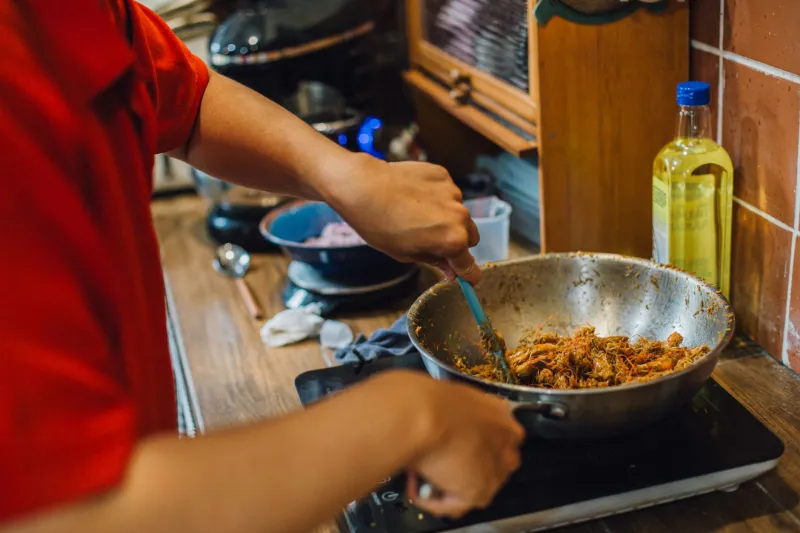
There's a scene that plays out in culinary schools and food-forward home kitchens across America every single day: the cook stands at the counter, methodically dicing, measuring, and arranging small bowls of prepped ingredients before a single burner ever gets switched on. It's tidy. It's organized. It feels professional.
Hong Kong home cooks would find it slightly baffling.
Not because they're reckless in the kitchen — quite the opposite. It's that the entire framework for how they approach cooking is built around a different kind of intelligence. One that's faster, more intuitive, and honestly, more forgiving once you get the hang of it.
Why Mise en Place Is a Restaurant Concept That Got Borrowed Too Hard
Mise en place — French for "everything in its place" — is a genuinely useful system for professional kitchens running hundreds of covers a night. When six people are cooking simultaneously and timing is everything, having ingredients pre-measured and staged is the difference between a smooth service and a disaster.
But home cooking isn't restaurant cooking. You're not feeding two hundred people. You're feeding yourself, maybe your family. The variables are totally different.
American food media — cookbooks, YouTube channels, cooking shows — absorbed the mise en place philosophy and sold it to home cooks as the "right" way to cook. The result? A lot of people who feel like they can't start cooking until everything is perfectly prepped, which adds 20 to 30 minutes to every meal and creates a psychological barrier to weeknight cooking.
Hong Kong's home kitchen tradition never went down that road. And the food is no less complex for it.
The Wok as a Rhythm Instrument
The foundation of this whole approach is the wok — specifically, understanding that a wok over high heat moves fast and forgives quickly. When your cooking surface is hot enough to sear in seconds, you develop a natural sense of urgency that actually sharpens your attention rather than causing panic.
Hong Kong home cooks learn early that the wok tells you what it needs. Aromatics go in first — garlic, ginger, maybe a dried chili — and you can hear when they're ready. That sizzle shifts tone. Oil starts moving differently. Your nose picks up the moment fragrance tips toward toasty. That's your cue to move, and you reach for the next ingredient while the last one finishes.
This is real-time ingredient management, not pre-staged precision. You're not working from a lineup of bowls. You're reading the pan and responding.
The Mental Framework: Zones, Not Steps
If mise en place is step-by-step, the Hong Kong home cook's approach is more like thinking in zones. There's a rough mental map of the meal — protein, aromatics, vegetable, sauce — but the execution is fluid within that structure.
Here's how it actually plays out:
The protein goes in first or last depending on the cut. Thin-sliced beef or chicken? It goes in hot and fast, comes out, and finishes when the rest of the dish is nearly done. Tofu or seafood? Different timing, but still intuitive once you've done it a few times.
Aromatics are always close at hand. Garlic, ginger, and scallions don't need to be pre-minced and staged in a ramekin. They're sitting on the counter or in a small basket near the stove. You smash the garlic with the flat of your knife, peel it in two seconds, toss it in. It's a 30-second operation that happens while the wok heats.
Sauce is built in the pan, not premixed. This is maybe the biggest departure from Western technique. Rather than whisking together a sauce in a bowl beforehand, experienced Hong Kong cooks add their soy sauce, oyster sauce, and a splash of rice wine directly to the pan in sequence, tasting and adjusting as they go. It sounds chaotic. It produces better results because you're calibrating to the actual dish in front of you, not a formula written before you knew what your vegetables would taste like today.
Trusting Your Ingredients Over Your Recipe
One thing that makes this approach work is a deep familiarity with individual ingredients — how they behave, what they need, what they pair with naturally. That knowledge takes a little time to build, but it's not as intimidating as it sounds.
Start with a small core pantry: soy sauce, oyster sauce, sesame oil, rice wine or dry sherry, white pepper. Get comfortable with how each one behaves in heat. Soy sauce reduces and deepens. Sesame oil goes in at the end, off heat, because its flavor burns off fast. Oyster sauce adds body and a subtle sweetness that balances salt.
Once those reflexes are in your muscle memory, you don't need to measure them. You pour, you smell, you taste, you adjust. That's the whole system.
Improvisation Isn't Chaos — It's Pattern Recognition
What looks like improvisation in a Hong Kong home kitchen is actually deep pattern recognition built up over years of cooking the same basic structure with rotating ingredients. The cook isn't winging it. They're running a familiar program with variable inputs.
Think of it like jazz. A jazz musician improvising on a standard isn't making things up randomly — they know the chord changes cold, and they're working within that structure while expressing something new in the moment. Hong Kong home cooks do the same thing with stir-fry logic.
Protein + aromatics + vegetable + sauce + finishing element. That's the chord progression. The ingredients change nightly based on what's fresh, what's in the fridge, what looked good at the market. The structure holds.
How to Start Cooking This Way in Your Own Kitchen
You don't need to throw out your prep habits overnight. But here are a few small shifts that start moving you toward this more adaptive approach:
Heat the wok before you do anything else. This forces you to move with the pan, not ahead of it.
Keep your aromatics whole until you need them. Garlic and ginger prep in real time. It takes less time than you think.
Stop premixing your sauces. Add them to the pan in sequence. You'll taste the difference.
Pick two or three vegetables and rotate them weekly. Familiarity breeds speed. Once you know how bok choy behaves versus snap peas, you stop second-guessing.
Let go of the recipe as a script. Use it as a reference, not a rulebook. If you're out of one ingredient, swap it. If the sauce tastes thin, add a touch more oyster sauce. You're allowed to respond to what's actually in front of you.
The Real Payoff
The goal here isn't to cook without thinking. It's to cook with a different kind of thinking — one that's grounded in the moment, responsive to your actual ingredients, and freed from the anxiety of needing everything perfect before you start.
Hong Kong home cooks have been doing this for generations, feeding families out of small kitchens with minimal equipment and maximum flavor. The efficiency isn't a hack. It's a philosophy.
And once you internalize it, 15-minute weeknight dinners stop feeling like a stretch and start feeling like the obvious way to cook.