What Hong Kong's Wet Markets Taught Me About Buying Fresh Food—And How to Apply It Anywhere in America
The Market That Never Sleeps (Well, Almost)
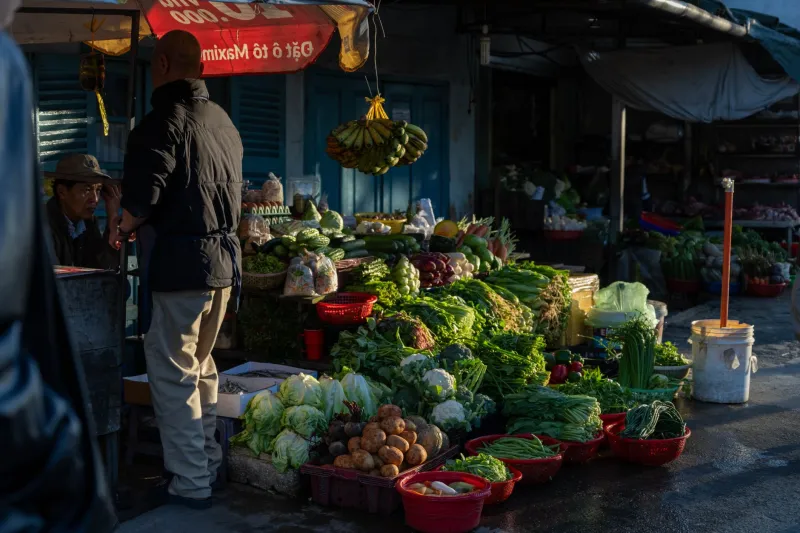
If you've ever wandered into a Hong Kong wet market at 7 a.m., you already know the feeling. Vendors arranging vivid stacks of bok choy, fishmongers calling out the morning's catch, and a general sense that the whole neighborhood is in on a secret the rest of the world hasn't figured out yet. That secret? Freshness isn't a marketing claim—it's a system.
Wet markets in Hong Kong operate on a model that's refreshingly simple: produce moves from farms and fishing boats to vendor stalls within hours, not days. There's no centralized distribution warehouse, no extended cold-chain logistics, no produce sitting in a regional fulfillment center while someone figures out which zip code it belongs to. The result is food that tastes the way food is supposed to taste—and a shopping culture built around quality, not convenience theater.
At Fresca HK, we think about that model a lot. It's part of what inspired this site. And the more we look at what's available across American cities right now, the more we believe you can borrow those same principles without ever leaving your zip code.
Why the Wet Market System Actually Works
The wet market model succeeds because it eliminates steps. Fewer steps between farm and table means less time for nutrients to degrade, less opportunity for produce to get bruised or waterlogged in transit, and less markup piling up at each stage of the supply chain. A head of Chinese broccoli at a Kowloon market stall might have been harvested that same morning from a farm in the New Territories. Compare that to the average American grocery store, where produce can travel 1,500 miles before it hits the shelf.
Beyond logistics, there's a relationship element that's easy to underestimate. Regular wet market shoppers in Hong Kong develop ongoing connections with specific vendors. They learn which stall has the best seasonal mushrooms, which fishmonger is honest about the day's catch, and which vegetable seller will quietly set aside the best lotus root if you show up consistently. That kind of trust-based commerce creates accountability that a barcode scanner simply can't replicate.
Sustainability is another quiet advantage. Because wet market vendors typically source regionally and sell what's actually in season, there's far less structural incentive to import out-of-season produce from the other side of the world. What's available reflects what's growing—which, as it turns out, also tends to be what tastes best.
Finding Your Wet Market Equivalent in the US
Here's the good news: farmers markets across the United States are closer to the wet market model than most people realize. The USDA counted over 8,600 registered farmers markets operating nationwide as of recent years, and that number keeps climbing. Cities like Portland, Chicago, Los Angeles, and New York have robust market ecosystems running multiple days per week, often year-round.
The key is knowing how to use them like a local rather than treating them like an expensive Instagram backdrop.
Start by identifying your closest year-round market. Seasonal pop-up markets are great, but the vendors at a year-round market are building actual businesses—which means they're more invested in repeat customers and more likely to develop that vendor-shopper relationship that makes wet market shopping so effective.
Once you've found your market, resist the urge to shop the whole thing on your first visit. Instead, slow down. Talk to vendors. Ask what came in this week, what they grew too much of, what they'd recommend cooking right now. Most small-scale farmers are genuinely enthusiastic about their products and will tell you more than any grocery store label ever could.
Shopping Like a Hong Kong Local: A Practical Framework
Arrive early, but not for the reasons you think. In Hong Kong, early arrivals get first pick of the best produce. That's true at American farmers markets too—but the more important reason to go early is conversation. Vendors are less rushed, more willing to chat, and more likely to remember your face.
Follow the season, not the recipe. One of the most liberating shifts in wet market culture is letting what's available guide what you cook, rather than the other way around. If your vendor is excited about Hakurei turnips or rainbow chard right now, that's the universe telling you something. Build your meals around peak-season ingredients and the flavor payoff is enormous.
Learn the quality signals. In Hong Kong markets, experienced shoppers assess produce quickly: leafy greens should be crisp and deeply colored with no yellowing at the edges; stone fruits should give slightly under thumb pressure; fish eyes should be clear, not cloudy. These aren't exotic skills—they're learnable in a few market visits. Ask your vendor to show you what to look for.
Build your shortlist. Wet market regulars don't shop everywhere—they have their people. Identify two or three vendors you trust and buy from them consistently. Over time, you'll likely find they start looking out for you: saving the best batch of heirloom tomatoes, alerting you when something rare comes in, or throwing in an extra bunch of herbs because you've become a familiar face.
Buy less, more often. American grocery culture encourages bulk buying, which works fine for shelf-stable pantry items. But fresh produce is a different story. Wet market shoppers typically buy for two or three days at a time, which means they're always working with peak-fresh ingredients rather than produce slowly fading in a crisper drawer.
The Fresca HK Take
We believe the wet market philosophy isn't just about food—it's about a different relationship with eating. One that's slower, more intentional, and rooted in actual knowledge of where your food comes from. You don't need to be in Hong Kong to live that way. You just need to show up to your local farmers market with a little curiosity and a canvas tote.
The freshest food in your city is already out there. You just have to know how to find it—and who to ask.