The Hong Kong Market Shopping System That Cuts Food Waste and Takes the Stress Out of Meal Planning
The average American household throws away nearly a third of the food it buys. A third. That's not just a money problem — it's a planning problem, a shopping problem, and honestly, a mindset problem.
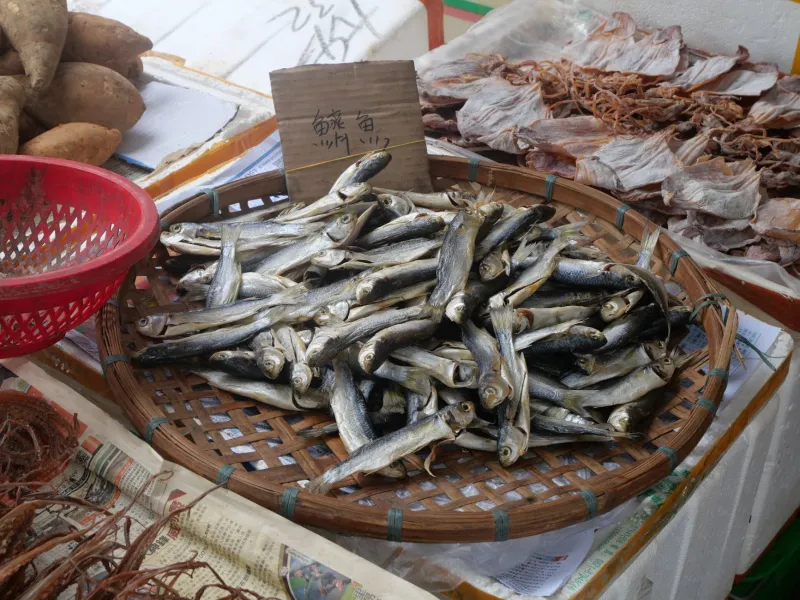
In Hong Kong, food waste at the household level looks very different. Part of that comes down to kitchen culture, part of it comes down to portion sizes, and a big part of it comes down to how people shop. The wet market system that defines daily life in Hong Kong isn't just charming or traditional — it's functionally brilliant at keeping food fresh, spending intentional, and waste minimal.
You don't need to live near a wet market to borrow the logic. Here's how the system works, and how to apply it wherever you shop in America.
The Core Principle: Shop for Days, Not Weeks
The foundation of Hong Kong's market shopping culture is frequency. Most Hong Kong households — especially older generations — shop daily or every other day. Not because they have to, but because fresh ingredients bought in small quantities simply taste better and last longer than a week's worth of groceries sitting in a crisper drawer.
For American households conditioned to the weekly big-box haul, this feels radical. But you don't have to go full daily-shopper to benefit from the principle. The shift is mental: instead of buying everything you might need for the week, buy what you know you'll use in the next two to three days.
That single change — shopping with a shorter time horizon — is the single biggest driver of reduced food waste in Hong Kong kitchens.
The Two-List System
Hong Kong market shoppers tend to operate with what you might call a two-list mindset, even if they'd never describe it that way.
List One: The Anchor Items. These are the pantry staples and longer-shelf-life items that anchor your cooking — soy sauce, oyster sauce, dried noodles, rice, canned goods, tofu, eggs. You buy these on a replenishment basis when you're running low. No impulse, no overbuying.
List Two: The Fresh Variables. These are the proteins, vegetables, and herbs you buy based on what looks good right now — not what you planned on Monday. This is where the market system shines. A Hong Kong shopper might go to market planning to buy pork and come home with fish because the fish looked better and was cheaper. The meal plan adapts to the market, not the other way around.
This flexibility is key. When you're not locked into buying specific fresh ingredients regardless of quality, you naturally end up with better produce and less waste.
How to Apply This at American Grocery Stores and Farmers Markets
You don't need a wet market to use this system. Here's how it translates:
At the farmers market: Go without a rigid fresh-ingredient list. Walk the whole market first, see what's at peak season and priced well, then decide what to cook around it. Buy what looks genuinely great, not what you planned to buy before you arrived.
At a standard grocery store: Do your anchor-item shopping with a list. For produce, proteins, and fresh herbs — walk the section first, check what's on sale or freshest, and let that guide your choices. Treat the fresh section like a market, not a checklist.
At Asian grocery stores: This is where you'll find the closest equivalent to wet market shopping in the US. Produce turnover is typically faster, selection is broader for Asian greens and fresh herbs, and prices for proteins like whole fish or pork belly are often significantly lower than mainstream supermarkets.
The Portion Logic That Prevents Overbuying
Another underrated part of the Hong Kong system is portion calibration. Wet market vendors sell in smaller quantities by default — a handful of greens, one or two fish, a small cut of meat. You buy what you need for tonight, maybe tomorrow.
American packaging works against this instinct. Everything comes in bulk. A bag of spinach, a family pack of chicken thighs, a bunch of cilantro three times the size you need.
The Hong Kong fix: buy less than you think you need, and supplement if necessary. It feels counterintuitive at first, but most home cooks consistently overbuy fresh ingredients and then watch them wilt. Half a bunch of bok choy is enough for two people. One or two fish fillets is a meal. You can always go back to the store — it takes ten minutes.
Waste Reduction Built Into the System
Because Hong Kong cooking evolved in small kitchens with limited storage, the cuisine itself is engineered to minimize waste:
- Vegetable stems and leaves are both used — nothing gets trimmed and tossed
- Leftover rice becomes congee or fried rice the next morning
- Protein scraps go into broths
- Wilting greens get stir-fried immediately rather than composted
Adopting even a few of these habits alongside the shopping system dramatically changes your food waste footprint. The shopping system reduces what you bring home unnecessarily; the cooking philosophy handles whatever's left.
Start Small: A One-Week Trial
If you want to test the system without overhauling your whole routine, try this for one week:
- Stock your pantry staples once (anchor items)
- Shop for fresh ingredients twice — mid-week and on the weekend — instead of once
- At each fresh shop, buy only what you'll cook in the next two to three days
- Let what looks freshest guide your protein and vegetable choices
Most people who try this report spending less, wasting less, and eating noticeably fresher food by the end of the week. It's not magic — it's just a smarter system. And Hong Kong figured it out a long time ago.