Your Pantry Has a Climate Problem—Here's How Hong Kong Cooks Fix It
You bought good ingredients. You followed a solid recipe. You used the right technique. And still, something was off—flatter than expected, less fragrant, missing that punch you were hoping for. Before you blame the recipe, consider the possibility that the problem happened before you even turned on the stove.
Ingredient quality degrades. And the rate at which it degrades is almost entirely controlled by how you store it. This is something Hong Kong home cooks have understood intuitively for generations—not because they took food science classes, but because they learned, through practice and necessity, that the environment around an ingredient shapes what that ingredient can do.
Let's get specific about what that means, and what you can actually do about it in a standard American kitchen.
The Humidity Factor Most People Ignore
Hong Kong sits in a subtropical climate. Humidity is a constant, and it's something cooks there have had to actively manage for as long as anyone can remember. The relationship between moisture and preserved ingredients is complicated: some things need humidity to stay pliable and effective, while others need to be kept bone dry to maintain their potency.
Dried goods—dried shrimp, dried mushrooms, dried tangerine peel, lotus seeds, lily buds—are foundational to Hong Kong pantry cooking. And the single most common mistake American cooks make with these ingredients is storing them in places that are too warm and too humid. A cabinet above the stove. A shelf near the dishwasher. A spot next to a sunny window.
Heat and moisture accelerate oxidation and mold growth in dried goods, which means they lose their concentrated flavor faster and can develop off-notes that muddy your cooking. Dried shrimp that smells faintly musty instead of intensely briny? That's a storage problem. Dried mushrooms that have lost their deep, woodsy fragrance? Same issue.
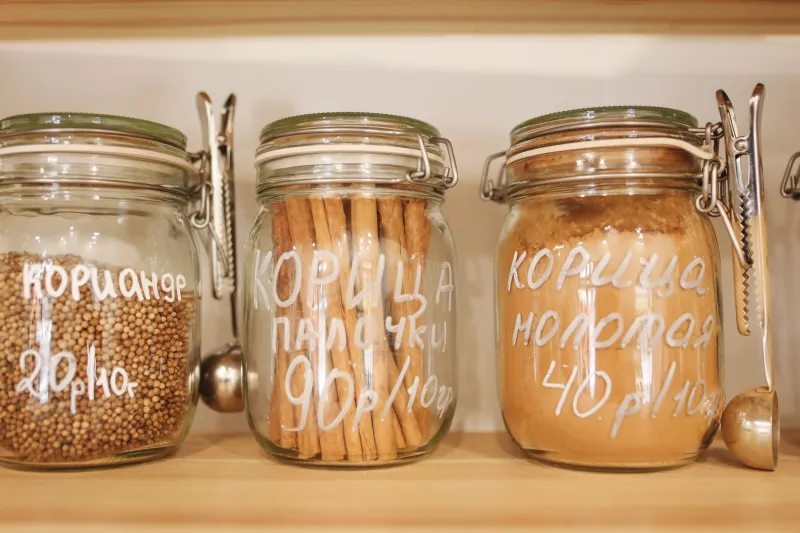
The fix: store dried goods in airtight containers—glass jars work best—in a cool, dry location away from heat sources. A lower cabinet on an interior wall, away from the oven and sink, is usually the best spot in most American kitchens. For very humid climates (looking at you, Houston and Miami), consider adding a small food-safe desiccant packet to containers of dried goods you don't use frequently.
Aromatics Need Airflow, Not Airtight
Garlic, ginger, and scallions are the aromatic backbone of Hong Kong cooking, used in virtually every savory dish. And the way most Americans store them is working directly against their flavor potential.
Garlic stored in a sealed bag or airtight container in the fridge loses its sharp, pungent character faster than garlic stored in a cool, ventilated space at room temperature. The cold and lack of airflow causes condensation, which accelerates sprouting and flavor degradation. In Hong Kong kitchens, a small clay pot or open wire basket in a shaded corner of the counter is a common sight—not for aesthetic reasons, but because garlic genuinely keeps better with airflow and moderate temperature.
Ginger is slightly different. Unpeeled ginger root keeps well at room temperature for a few days, but for longer storage, wrapping it loosely in a paper towel and placing it in a partially open bag in the crisper drawer of your fridge maintains freshness without trapping moisture. Many Hong Kong cooks also freeze whole knobs of ginger—it grates beautifully from frozen and stays potent for months.
Scallions, meanwhile, benefit from being stored upright in a glass with a small amount of water at the bottom (roots submerged, greens in the air), either on the counter or in the fridge door. They stay crisp and flavorful significantly longer than they do rolled up in a plastic bag in the crisper.
Preserved Items: Cold, Consistent, Covered
Fermented and preserved pantry staples—fermented tofu, black bean paste, dried salted fish, preserved vegetables—are already shelf-stable by design, but that doesn't mean storage conditions don't matter. Once opened, these items are best kept in the coldest part of your fridge (usually the back of a lower shelf, not the door), in their original containers or transferred to glass jars with tight-fitting lids.
The enemy of preserved ingredients isn't temperature as much as it is fluctuating temperature and contamination. Using a clean, dry spoon every time you dip into a jar of fermented tofu or black bean paste prevents introducing moisture and bacteria that can shorten shelf life and alter flavor. This sounds obvious, but it's the kind of detail that matters.
Dried salted fish—a polarizing but deeply important ingredient in Hong Kong cooking—should be kept wrapped in paper (not plastic) in the fridge. Plastic traps moisture and accelerates spoilage; paper allows the fish to breathe while keeping it protected. If you've bought more than you'll use in a few weeks, the freezer is a perfectly good option.
Spices and Dried Herbs: The Potency Problem
American spice storage habits are, frankly, a problem. Spices sitting in decorative racks above the stove, exposed to heat and steam every time you cook, are losing their volatile aromatic compounds at an accelerated rate. A jar of star anise or five-spice powder that's been sitting there for two years isn't adding much to your food anymore.
Hong Kong cooking relies heavily on whole spices—star anise, cassia bark, dried chilies, Sichuan peppercorns—and the practice of buying in smaller quantities more frequently keeps these ingredients fresh and potent. The American tendency to buy the largest possible container of a spice to save money actually costs flavor in the long run.
Store spices in a cool, dark drawer or cabinet, away from the stove. Buy whole spices when possible and grind them as needed—the difference in aroma and flavor is dramatic. And don't be afraid to smell your spices before using them: if the fragrance is faint or off, the spice is past its prime, regardless of the expiration date on the label.
The Bigger Picture
Thinking about storage as part of your cooking practice—not just a logistics issue—is a shift that pays dividends quietly over time. You'll notice that your dried mushrooms rehydrate into something more fragrant. Your garlic has more bite. Your preserved ingredients taste cleaner and more complex.
None of this requires a pantry renovation or specialty equipment. It requires paying attention to the environment your ingredients live in, the way Hong Kong cooks have always done—because they understood that great cooking starts long before anything hits the pan.