Morning Bowl, Reimagined: How Congee Is Quietly Replacing Cereal at American Breakfast Tables
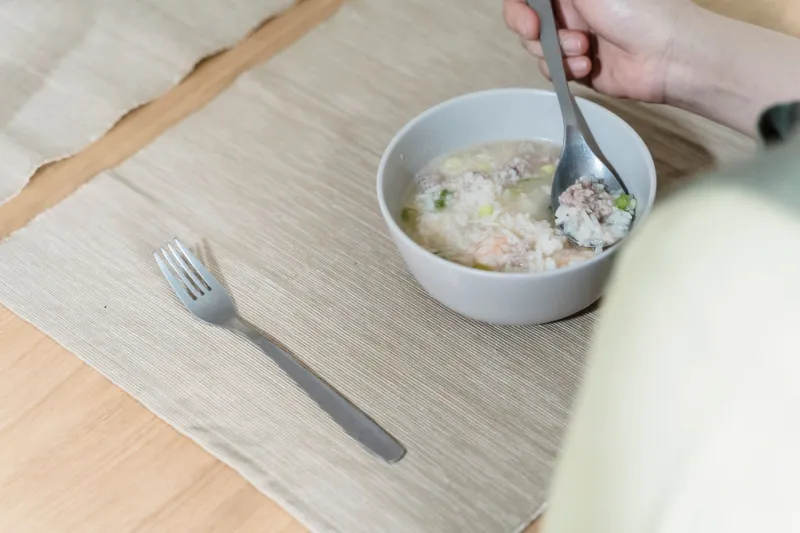
There's a quiet revolution happening in American kitchens, and it doesn't involve a trendy superfood powder or a $14 smoothie. It starts with a pot of water, a cup of rice, and a little patience. Congee — the silky, slow-cooked rice porridge that has anchored morning routines across Hong Kong and much of Asia for centuries — is finding a new and enthusiastic audience among US consumers who are done letting breakfast be the most nutritionally compromised meal of their day.
And honestly? It makes a lot of sense.
What Exactly Is Congee?
At its most basic, congee (known as jook in Cantonese) is rice cooked low and slow in a generous amount of water or broth until the grains break down into a thick, creamy porridge. The texture is somewhere between oatmeal and a light soup — comforting without being heavy, filling without the post-breakfast crash.
In Hong Kong, congee is not a side dish or a sick-day remedy. It's a full-on cultural institution. Street stalls and cha chaan tengs (Hong Kong's beloved casual diners) serve it piping hot from early morning, topped with everything from silky century egg and pork to fresh ginger slivers, crispy fried dough (youtiao), and a drizzle of sesame oil. It's a meal built around balance — warm starch as the base, protein on top, aromatics for brightness, and a hit of healthy fat to round things out.
That's a far cry from a bowl of frosted corn flakes drowning in milk.
Why American Breakfast Needed a Rethink
Here's the thing about the classic American breakfast lineup: a lot of it is quietly working against you. Most popular cereals clock in with 10 to 25 grams of sugar per serving. Even the "healthy" granolas can pack more calories than a fast food sandwich. Flavored instant oatmeal? Often no better. And breakfast bars marketed as nutritious frequently have ingredient lists that read like a chemistry textbook.
Health-conscious consumers have been pushing back for years — first with eggs and avocado toast, then with overnight oats and chia pudding. But congee offers something those options don't always deliver: genuine satiety, deep nourishment, and a savory flavor profile that actually wakes up your palate instead of loading it with sweetness before 9 a.m.
Research consistently shows that protein-rich, lower-glycemic breakfasts support steadier energy levels and better appetite control throughout the day. A bowl of congee made with bone broth and topped with a soft-poached egg and scallions checks all of those boxes — and it does it with ingredients most people already have at home.
The Nutritional Case for Rice Porridge
Let's break down what's actually in a well-built bowl of congee.
The rice base is easy to digest and gentle on the gut — one reason it's long been used in Hong Kong households as a restorative meal during illness or recovery. When cooked in broth rather than plain water, you're also getting collagen, minerals, and amino acids that support joint health and gut lining integrity.
Classic toppings multiply the nutritional value significantly. A soft-cooked egg adds high-quality protein and choline. Ginger — almost always present in a Hong Kong-style bowl — is a well-documented anti-inflammatory ingredient that also supports digestion. Sesame oil contributes heart-healthy unsaturated fats. Scallions bring a dose of vitamin K and a fresh bite that cuts through the richness.
Customization is the real superpower. Because the base is neutral, congee adapts to whatever your body needs on a given morning. Higher protein day? Add sliced chicken or a soft-boiled egg. Need more greens? Stir in some baby bok choy or spinach right at the end. Watching sodium? Skip the soy and let ginger and white pepper do the heavy lifting.
Regional Variations Worth Knowing
Hong Kong-style congee is the most widely recognized version in the US right now, but the broader world of Asian rice porridge is rich with regional takes that are worth exploring.
Hong Kong jook tends to be silky smooth, cooked until the rice is almost fully dissolved, and served with bold toppings like preserved egg, pork meatballs, or fish slices. It's the most umami-forward of the variations.
Cantonese fish congee uses a light, clean broth and fresh white fish that cooks directly in the hot porridge at the table — a technique that keeps the fish tender and the broth pure.
Ginger and scallion chicken congee is the weeknight workhorse: leftover rotisserie chicken, fresh ginger, and a handful of green onions transform a plain base into something genuinely restorative.
For American home cooks, starting with any of these is a low-stakes, high-reward entry point into the broader world of savory breakfast.
A Simple Starter Recipe for American Kitchens
You don't need a rice cooker or a trip to a specialty market to make a solid bowl of congee at home. Here's a straightforward version that works on any weekday morning — especially if you prep the base ahead of time.
Basic Hong Kong-Style Congee (Serves 2)
- 1 cup jasmine or short-grain white rice
- 6–8 cups low-sodium chicken or vegetable broth
- 1-inch knob of fresh ginger, peeled and sliced thin
- Salt and white pepper to taste
To top: soft-poached or jammy eggs, sliced scallions, a few drops of sesame oil, and a light drizzle of low-sodium soy sauce.
Method: Combine rice and broth in a heavy-bottomed pot. Bring to a boil, then reduce heat to low and simmer, stirring occasionally, for 45–60 minutes until the rice breaks down into a creamy porridge. Add ginger halfway through. Season to taste and serve immediately with your toppings of choice.
Shortcut tip: Make a big batch of the plain base on Sunday and refrigerate it. Reheat individual portions each morning with a splash of broth to loosen the texture, then add your toppings fresh.
The Bigger Picture
Congee's rise in the US isn't just a food trend — it reflects something more meaningful happening in how Americans relate to breakfast. There's a growing appetite (literally) for morning meals that are warm, intentional, and actually nourishing rather than convenient and sugar-loaded.
Hong Kong has known this for generations. A bowl of jook at a neighborhood stall isn't just fuel — it's a moment of care, a daily ritual that sets the tone for everything that follows. Bringing that sensibility to American breakfast tables feels less like a cultural import and more like a long-overdue correction.
Your mornings deserve better than a bowl of cereal. Start with rice, broth, and a little ginger — and see what happens.