Jars Over Takeout: How Hong Kong's Fermentation Pantry Solves the Weeknight Dinner Problem
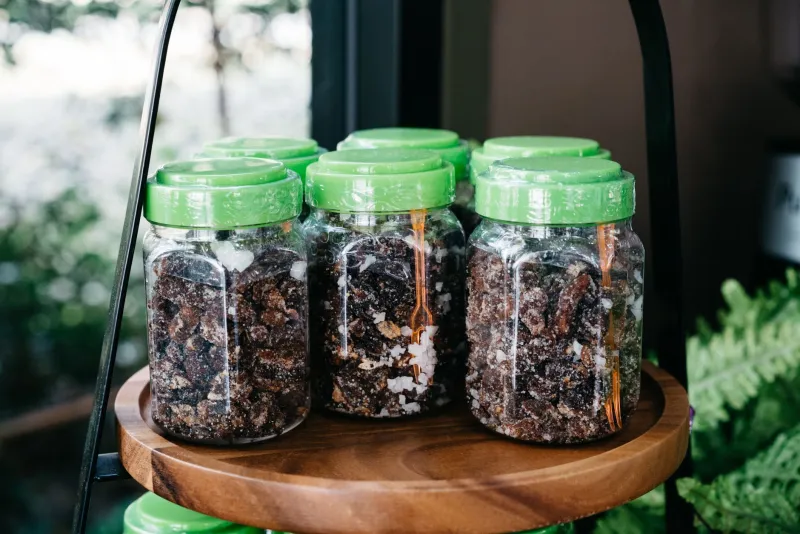
Somewhere between the sourdough starter craze of 2020 and the current kombucha aisle at Whole Foods, fermentation got rebranded as a hobby for people with too much time and too many mason jars. Which is a shame—because the tradition of fermentation in Hong Kong home kitchens has nothing to do with wellness aesthetics. It's about survival, efficiency, and flavor. And it's been working for generations.
If you've ever cracked open a jar of fermented black beans, tossed them into a hot pan with garlic and ginger, and watched a weeknight stir-fry transform into something that tasted genuinely restaurant-worthy, you already understand the basic premise. You just might not have realized you were participating in a culinary tradition that stretches back centuries.
Why Hong Kong Kitchens Fermented in the First Place
Hong Kong's food culture developed under real constraints—dense urban living, limited refrigeration for most of its history, and a population that couldn't afford to let anything go to waste. Fermentation wasn't a lifestyle choice. It was a preservation strategy that also happened to produce some of the most complex, umami-forward flavors in any pantry on earth.
Pickled mustard greens (mui choy), fermented tofu (nam yue and fu yue), salted fish, black bean paste, and preserved vegetables weren't condiments. They were the backbone of daily cooking—ingredients that could sit in a cool corner of the kitchen for weeks, ready to punch up a simple bowl of rice or braise a cut of pork into something extraordinary.
The key insight here is that fermentation doesn't just preserve food. It transforms it. The natural bacterial and enzymatic processes that happen during fermentation break down proteins and starches into shorter, more flavorful compounds—glutamates, in particular—which is exactly why fermented ingredients taste so deeply savory without any added MSG or long-simmered broth.
The Fermented Pantry, Decoded
For American cooks looking to build this kind of foundation at home, a few key ingredients go a long way.
Fermented black beans (dou chi) are probably the most versatile entry point. Sold in small bags or jars at any Asian grocery store, they're intensely salty, earthy, and loaded with umami. Rinse them lightly, chop or mash them, and add them to oil at the start of a stir-fry. They dissolve into the background but leave a depth of flavor that's hard to explain and impossible to replicate with anything else.
Fermented tofu comes in red (nam yue, made with red fermented rice) and white (fu yue) varieties. Both are creamy, funky, and extraordinarily flavorful in tiny amounts. White fermented tofu works beautifully as a marinade base for chicken or pork. Red fermented tofu is what gives char siu its signature color and complex sweetness. A single cube goes further than you'd think.
Pickled mustard greens are the workhorse of the bunch. Salty, slightly sour, and deeply savory, they add instant contrast to fatty braised dishes, congee, or even a simple fried rice. In Hong Kong home cooking, they're often added to soups and noodle dishes as a flavor anchor—the thing that makes a simple broth taste like it simmered for hours.
Preserved vegetables like ja choy (Sichuan preserved mustard stems, widely used in Cantonese cooking too) bring crunch and brine to dishes in a way that fresh ingredients simply can't replicate.
The Real Meal Prep Angle
Here's where this gets practical for American home cooks who are already overwhelmed by Sunday meal prep culture. Most fermented pantry staples require zero prep on your part. You buy them, you store them (most keep for months in the fridge after opening), and you reach for them when dinner needs rescuing.
That jar of fermented black beans sitting in your fridge door is already doing the work. It's already fermented. The flavor is already built. You just need to deploy it.
This is fundamentally different from the Western approach to meal prep, which tends to involve cooking large batches of finished food that you then eat throughout the week. Hong Kong's pantry logic is about having flavor infrastructure already in place—components that make whatever fresh ingredients you have on hand taste intentional and complete.
A bag of baby bok choy from the farmers market, a few cloves of garlic, a spoonful of fermented black bean paste, and ten minutes on a hot stove produces a dish that tastes genuinely considered. No recipe required. No hours of Sunday prep. Just a pantry that's working for you.
Reducing Waste Without Thinking About It
One underappreciated benefit of leaning on fermented pantry staples is what it does to your food waste problem. When your meals are built around shelf-stable, long-lasting fermented ingredients rather than fresh items that expire in three days, you naturally buy less and use more of what you have.
A half-eaten block of fermented tofu keeps in the fridge for weeks. A bag of dried fermented black beans lasts months in a cool, dry spot. Pickled mustard greens, once opened, stay good in the fridge for well over a month. These aren't ingredients that guilt you from the crisper drawer. They're patient, forgiving, and always ready.
For budget-conscious urban households—which is most of us—this is actually significant. You're building flavor with ingredients that cost very little and last a very long time, rather than relying on expensive fresh herbs that wilt by Wednesday.
Getting Started Without Overthinking It
You don't need to ferment anything yourself to get the benefits of a Hong Kong-style fermentation pantry. That's the part the wellness internet tends to skip over. The tradition in Hong Kong home kitchens was never really about DIY fermentation at home—it was about buying expertly fermented products from markets and incorporating them intelligently into everyday cooking.
Start with one ingredient. Fermented black beans are the lowest-commitment, highest-reward entry point. Pick up a small bag at your nearest Asian grocery store—they're usually under three dollars—and use them the next time you make a stir-fry, steam fish, or sauté vegetables. See what happens.
Chances are, you'll wonder what took you so long.